Planning a Gutter System for Your Atlanta Home
@atlantagutterinstallationpath
November 10, 2026 · 5 min read
What to Consider Before Installing Gutters in Atlanta
Atlanta's weather can be tough on a house. Heavy spring rains, summer thunderstorms, and falling leaves from mature trees all put your home's drainage system to the test. A well-planned gutter installation does more than just keep water away from the foundation. It protects your siding, your basement, and your landscaping. If you are replacing an old system or starting from scratch, understanding your options makes the process much simpler.
System Choices: Seamless Gutters Versus Sectional Gutters
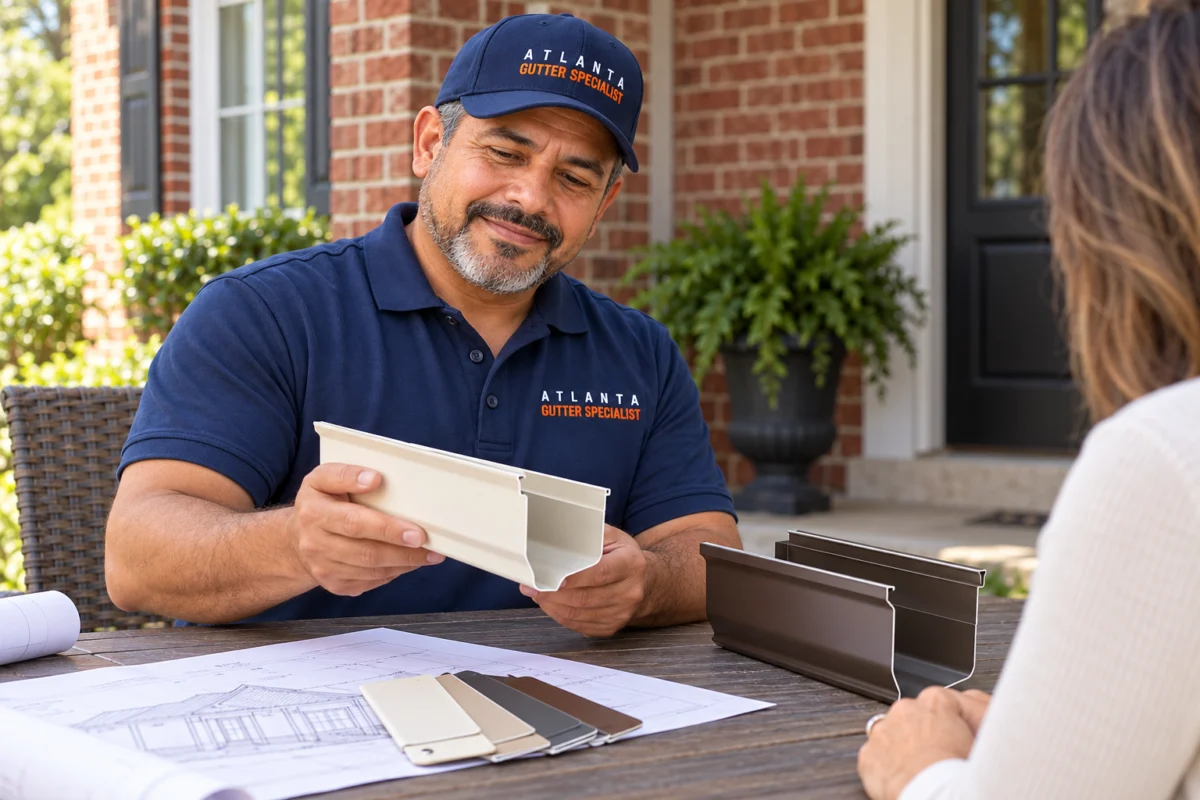
One of the first decisions you will face is whether to go with seamless gutters or traditional sectional gutters. Seamless gutters are formed from a single continuous piece of aluminum or steel, custom-cut to fit your roofline. They are popular in Atlanta because they have fewer joints, which means fewer places for leaks to develop over time. Sectional gutters, on the other hand, come in pre-cut lengths that snap together. They are less expensive upfront but require more maintenance at the seams, especially under the heavy loads of wet leaves and pine needles. atlanta gutter installation contractor
Material choices matter too. Aluminum gutters are lightweight and resistant to rust, making them a solid middle-ground option. Steel gutters are stronger but can rust if the protective coating gets scratched. Copper gutters are a premium choice: they are durable, develop a natural patina over time, and can last for decades. However, they cost significantly more and require experienced installers who know how to work with the material.
Water Routing: The Part Most Homeowners Overlook
Gutters are only half the system. The way water moves from the downspout to the ground is just as important. In Atlanta's clay-heavy soil, water that pools near the foundation can cause settling, cracks, and even basement moisture problems. A good water routing plan directs runoff at least a few feet away from the house, typically through underground drainpipes or surface extensions.
Downspout placement should align with the natural slope of the lot. If you have a basement or a crawlspace, consider where the water will go during a heavy downpour. Some homeowners install French drains or dry wells to handle the volume. The key is to think about the whole path, from the roof to the street or yard, not just the gutter itself.
Gutter Slope and Downspout Placement
Gutters must slope slightly toward the downspouts so water flows properly. Too much slope and the gutter looks uneven. Too little slope and water sits, leading to rust, sagging, and mosquito problems. The standard is a quarter-inch drop per ten feet of gutter. A reputable atlanta gutter installation contractor will measure the roofline and plan the pitch before cutting any material. This step matters on a ranch house just as much as on a two-story colonial.
Downspout placement also affects how the system performs. Ideally, each downspout handles no more than about 30 feet of gutter. If you have a long straight run, you may need two downspouts to keep water moving. Placing downspouts near corners or where the roof changes direction helps the system handle the flow during a storm.
Leaf Guards and Maintenance
Atlanta's tree canopy is beautiful, but it fills gutters with leaves, twigs, and pine straw. Clogged gutters cause water to overflow, which can damage fascia boards, soffits, and even the interior of the house. Leaf guards are screens or foam inserts that sit on top of the gutter or inside it to keep debris out while letting water through.
There are trade-offs. Some leaf guards work well on flat roofs but less so on sloped ones. Some require annual cleaning themselves. If you have many tall trees near the house, a heavy-duty leaf guard system might be worth the investment. Talk to a gutter specialist about which type suits your roof pitch and tree cover.

Replacement Considerations: When Old Gutters Need to Go
If you have an existing gutter system, you may wonder whether to repair or replace it. Look for signs like rust spots, peeling paint, cracked sections, or water stains on the siding. Sagging gutters indicate that hangers or brackets have pulled loose, which often means the system needs more than a simple fix. Also, check the downspouts: if they are crushed, rusted through, or too small for the roof area, replacement is usually the better route.
Replacement gives you a chance to upgrade the system. You can choose a different material, add leaf guards, or change the downspout locations to improve water routing. Many Atlanta homeowners also increase the gutter size during replacement, especially if they are adding a gutter guard or if the roof has been expanded with a new addition.
Working with a Gutter Installation Contractor in Atlanta
Choosing a contractor is about more than getting a quote. You want someone who understands local building codes, the specific challenges of Atlanta's clay soil, and the best materials for the climate. A skilled atlanta gutter installation contractor will inspect the roof, measure the slope, and discuss water routing options before starting work. They should also be able to explain the pros and cons of seamless versus sectional systems for your particular house.
When you meet with a contractor, ask about their experience with your roof type and material choices. Ask how they handle downspout placement and where the water will go. A thorough contractor will also check the condition of the fascia boards and recommend repairs if needed. They should provide a clear written estimate that includes materials, labor, and any disposal fees.

Planning Your Project
Start by walking around your house during a rainstorm. Watch where water flows off the roof and where it pools on the ground. This simple observation tells you a lot about what your gutter system needs. Then, think about your priorities: is it low maintenance, long life, or appearance? Your answers will guide your choice of material, style, and accessories.
Gutter installation is an investment in your home's long-term health. Taking the time to plan the system, choose the right materials, and work with an experienced contractor will pay off every time a storm rolls through Atlanta.